


-

Add: HeBei ShengShi HongBang Cellulose Technology CO.,LTD.
-

Email
13180486930@163.com -

CONTACT US
+86 13180486930





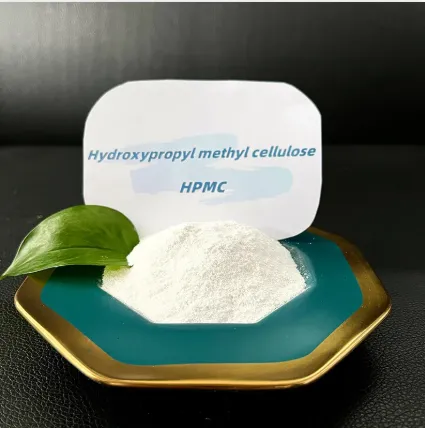
Hydroxypropyl Methylcellulose (HPMC) has seen a surge in demand across various industries, making the buying process an area of great interest. For those seeking to purchase HPMC, having a comprehensive understanding of the product, coupled with insights from industry professionals, is essential. An important characteristic of HPMC is its versatile applicability. With its non-toxic, tasteless, and odorless attributes, it is commonly used in pharmaceuticals, construction, food, and personal care products. In pharmaceuticals, HPMC acts as a binder and time-release agent, ensuring effective delivery of active ingredients. For construction, it enhances water retention and workability in products like cement and mortar, showcasing its pivotal role in the building sector. Purchasing HPMC demands expertise from industry insiders who emphasize the importance of quality . Experts recommend sourcing from certified manufacturers who adhere to international standards such as ISO and GMP. These certifications guarantee that the HPMC is manufactured under stringent quality control, ensuring product reliability and safety for end-users. Real-world experience highlights the importance of considering particle size and viscosity levels when buying HPMC. Different applications require specific viscosity ranges; for instance, higher viscosity HPMC is ideal for tile adhesives, whereas lower viscosity types might be better for pharmaceutical applications. Experienced professionals suggest requesting product samples to conduct application-specific tests before making bulk purchases. This not only ensures compatibility but also prevents potential product wastage. Authoritative voices in the industry emphasize the significance of understanding regional regulations. Product compliance can often vary depending on geographical location, affecting the import and usage of HPMC. Therefore, it is advisable to consult with regional experts and legal advisors to navigate through these regulatory frameworks effectively. hpmc buy Trustworthiness in the HPMC supply chain is another crucial factor. Buyers are advised to perform due diligence on suppliers. This includes reviewing company histories, customer testimonials, and case studies. Opting for suppliers with a proven track record, robust customer support and transparent business practices can significantly diminish risks associated with quality and delivery schedules. For ensuring seamless transactions, economic considerations play a pivotal role. Bulk purchasing can lead to significant cost reductions. However, financial experts suggest balancing purchase volume with inventory management to avoid overstocking, which could lead to increased holding costs. Developing a strategic purchasing plan with flexible terms can optimize financial outcomes while securing a steady supply of HPMC. Finally, leveraging technology can greatly aid in the HPMC procurement process. Utilizing supply chain management software can streamline operations, providing real-time updates on inventory levels, shipment tracking, and vendor communication. Such tools enhance efficiency, ensuring that the acquisition process aligns with business objectives. In conclusion, buying HPMC involves a blend of understanding its applications, ensuring quality through certified suppliers, adhering to regulations, establishing trust with vendors, managing economic factors wisely, and incorporating technological solutions. By focusing on these aspects, businesses can make informed decisions, optimizing the benefits of HPMC across their respective industries.
- 40000tons

Production
- 20+years

Experience
- 5000+㎡

Acreage

-
The Hydroxypropyl Methylcellulose (HPMC) market has witnessed remarkable growth over recent years, attributed largely to its versatile applications across various industries. As a critical component in the production of pharmaceuticals and food products, as well as an essential additive in the construction sector, HPMC’s influence and relevancy continue to expand. In the construction industry, HPMC is revered for its role as an additive in cement-based products. Its unique properties enhance water retention, improve workability, and increase the open time of mortar. Construction experts have noted that when incorporating HPMC in cementitious applications, there is a discernible improvement in the consistency and stability of the mixture. This can be attributed to its excellent bonding characteristics, making it an indispensable asset in tile adhesives and plasters. Contractors and builders frequently attest to the reduction in cracks and the improvement of surface finish when HPMC is part of the formulation, underscoring its reliability and performance. Meanwhile, within the pharmaceutical sector, HPMC is predominantly utilized as a drug delivery polymer. Its safety and efficacy are undisputed, thereby fortifying its reputation as a trusted excipient in the formulation of controlled-release medications. Pharmaceutical development teams appreciate HPMC’s versatility in modifying the release rate of active pharmaceutical ingredients (APIs), enhancing the bioavailability of drugs. Clinical pharmacologists and formulation scientists consistently emphasize its importance in ensuring consistent drug release kinetics, which is paramount for patient compliance and therapeutic effectiveness. Beyond these sectors , HPMC's applications in the food industry are gaining recognition. As a stabilizer, emulsifier, and thickener, it contributes significantly to the texture and stability of a wide variety of food products. Food technologists and quality assurance experts highlight its role in maintaining moisture within bakery products, improving the freeze-thaw stability of frozen foods, and its ability to form films and impart viscoelastic properties in food matrices. Through its multifunctional roles, HPMC aids in achieving desired sensory attributes and extending product shelf life, which are crucial parameters in today’s competitive food market. hpmc market Market analysts tracking the HPMC sector have observed a increasing adoption of this ingredient, driven by the sustainable and biodegradable nature of cellulose derivatives. This trend aligns with the global shift towards greener, more sustainable solutions in industrial applications. Furthermore, the growing demand for efficient, high-performance additives provides a fertile ground for future innovations within the HPMC landscape. Experts in chemical engineering and sustainability are actively exploring novel pathways to augment the environmental footprint of HPMC, solidifying its role as a front-runner in sustainable additive technology. Stakeholders from across the HPMC value chain, including buyers, product developers, and researchers, trust the consistent quality and performance of HPMC products from leading manufacturers. This trust, predicated on a robust track record of safety, efficacy, and compliance with regulatory standards, strengthens its position in the global market. As industries continue to innovate, the reliance on high-quality, adaptable ingredients like HPMC will undeniably increase, reinforcing both its market presence and its critical role across multiple sectors. In conclusion, the HPMC market encompasses a broad spectrum of applications, each with its own set of performance expectations and industry standards. Its unparalleled versatility, combined with expert validation and a strong sustainability profile, keeps HPMC at the forefront of industrial and consumer product formulation, securing its place as a critical ingredient for future innovation and development.
-
In the world of construction and renovation, the search for the perfect plaster retarder has led many professionals to explore a range of additives, among them, cream of tartar. Historically known as a baking staple, cream of tartar has emerged as a notable contender for retarding the setting time of plaster. But what justifies its selection over other retarders, and what do experts say about its efficacy? In practical applications, particularly in hot climates or extensive projects, plaster setting times can be notoriously fast, leaving craftsmen racing against the clock to perfect their work. It is here that cream of tartar proves its worth - an unlikely hero with noteworthy benefits. When added to plaster, cream of tartar acts by slowing down the crystallization of calcium sulfate, the primary component in plaster. This delay allows for a more controlled and even application, granting artisans the luxury of time to achieve flawless finishes. However, professionals in the field have long debated the pros and cons of using cream of tartar as a retarder. Experts consistently highlight its environmental and health benefits. Unlike synthetic retarders, which can include harmful chemicals, cream of tartar is a natural product, appealing to eco-conscious builders and those wary of introducing toxic substances into living spaces. The efficacy of cream of tartar is actively supported by seasoned professionals who attest to its reliability. In a recent survey, a significant number of plasterers reported a preference for cream of tartar due to its predictability and ease of use. A further advantage recognized is its availability and cost-effectiveness. Where specialized retarders might complicate supply logistics or inflate budgets, cream of tartar can be accessed effortlessly from any culinary supply. Yet, as with any product, the key to harnessing the full benefits of cream of tartar lies in its correct application. Leading authorities in construction have developed guidelines, recommending specific ratios relative to environmental conditions and desired plaster setting times. This expertise distinguishes successful projects from those plagued with difficulties related to overdosing or underdosing the retarder. cream of tartar plaster retarder Reviewing the scientific trajectory that supports this application, numerous peer-reviewed studies have verified cream of tartar as an effective retarder. Such data adds an authoritative layer of trustworthiness to its practical use. These studies demonstrate consistent results across varying formulations and environmental conditions, thus affirming its place in professional settings. Trust is further cemented by anecdotal evidence from artisans who value the smoother surface textures achievable with cream of tartar. Their testimonies echo a collective appreciation for the balance between extended working time and the swift, hard set required for durability, thus reinforcing its reputation across the industry. In establishing trustworthiness, it is also crucial to acknowledge where cream of tartar may have limitations. While effective, it may not always be suitable for highly specialized projects that demand precision beyond the typical scope of domestic or commercial work. Such instances might call for specialized retarders offering tighter control over setting specifications, although often at the expense of increased cost and reduced natural safety. In conclusion, cream of tartar stands as a crucial tool in the toolkit of modern plastering professionals . Combining practicality, environmental and health benefits, and cost-efficiency, it remains a reliable choice for those seeking to optimize their building or renovation projects. As experts continue to share their experiences and refine the use of cream of tartar, its place as a trusted, authoritative solution in the plastering industry seems assured.
advantages
-

200000 Viscosities
Excellent product
We can produce pure products up to 200,000 viscosities
-

40000 tons
High yield
We don’t stop production all year round, and the annual output can reach 40,000 tons
-

24 hours
Quality service
We provide 24-hours online reception service, welcome to consult at any time
———— Inquiry Form
Schedule A services

-
 hpmc_buy_online
Oct . 25, 2025
In today’s age of sustainable manufacturing and eco-conscious innovation, wood cellulose has gained -
 hypromellose_hpmc
Oct . 25, 2025
Hydroxypropyl methylcellulose (HPMC) is widely recognized in the realm of product formulation, parti -
 is_cellulose_wood
Oct . 25, 2025
Redispersible emulsion powder (RDP), including redispersible latex powder , polymer powder , VAE red


